The biggest myth people possess about being vegetarian is the lack of adequacy where as the reality is far different from what they aim for. There is a difference between maintenance, loosing and gaining muscle mass. Each scenario carries a different weightage for consumption.

Lets consider a simple example – A healthy man weighing 80 kgs wants to keep an optimum requirement of his protein consumption. How does he do it ? In a pretty sophisticated manner. Being a vegetarian and aiming for a balance, 80 gms of protein would be the ideal consumption for him. The main question is how does he distribute it evenly throughout the day. 20-20-20, Breakfast, Lunch, Dinner. Nutrition in maintenance is a smart game. Food is the art and you are the artist. The rest 20gms can be split into 10 each for mid morning snack and evening snack. Remember its easy to compensate on one portion and exceed another. Food is all about choices, lets have a look at some fantastic vegetarian options.
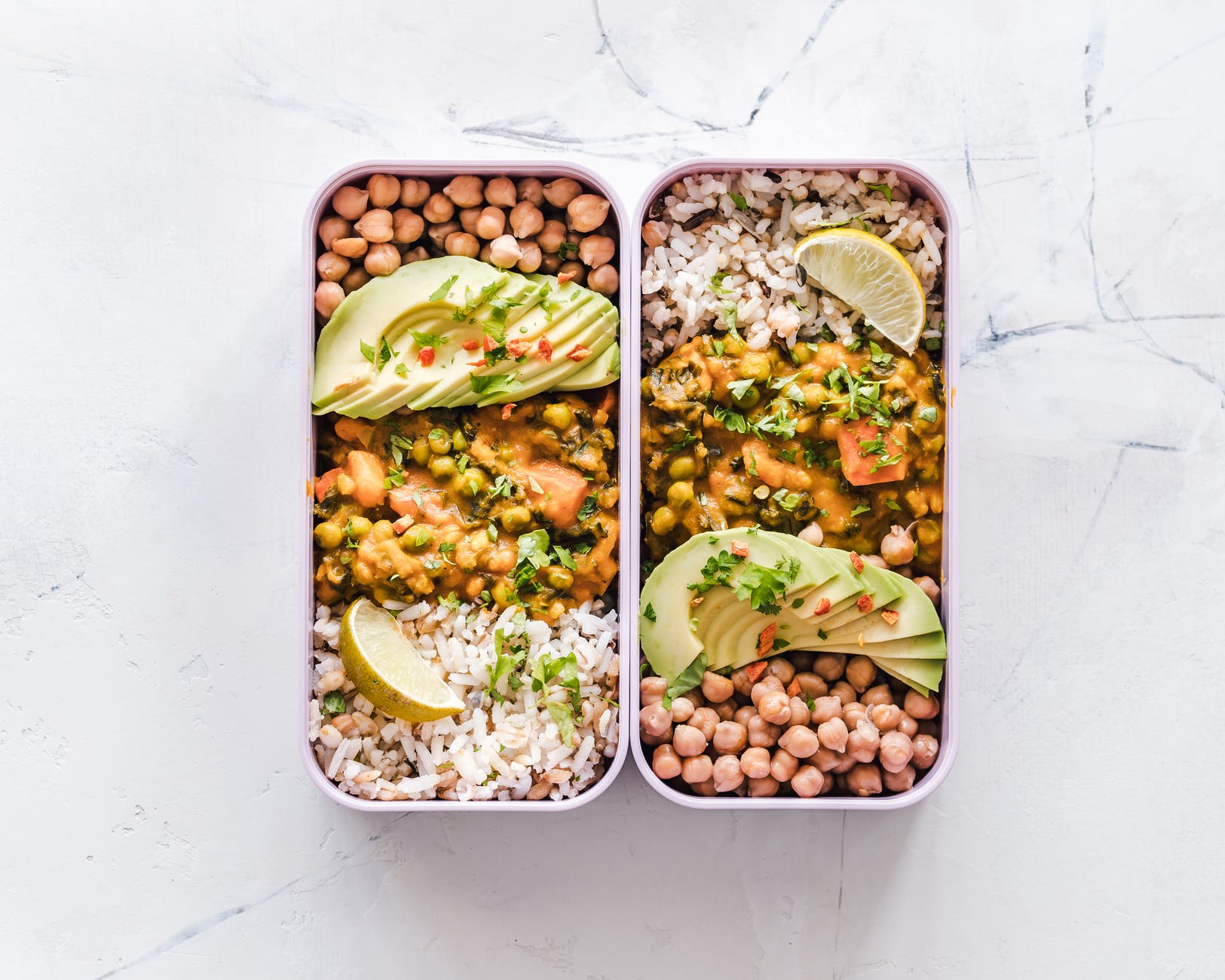
Beans and Lentils- Falling under the category of medium to low GI food, a cup of this can easily give you 10-12 gms of protein. Benefiting you with other micronutrients such as Choline, Vitamin A, B1 (Thiamin), B5 (Pantothenic Acid), B6(Pyridoxine), B7 (Biotin) and much more.
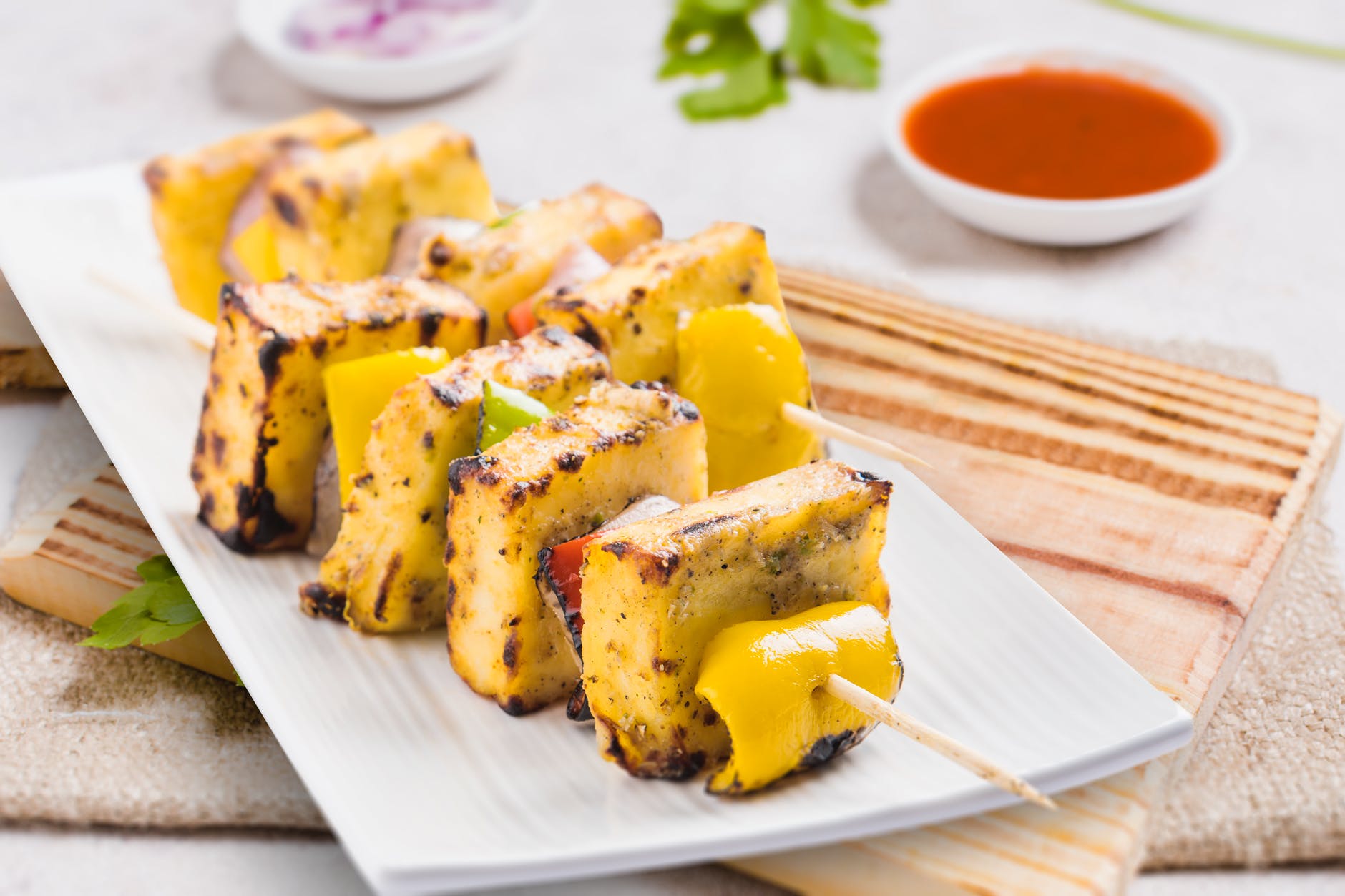
Panner – Benefiting you not only with the protein part, but also with enormous amounts calcium from a single food item. 100gms of panner can easily give you 15-20 gms of protein but you might watch out the fat content as well which could approximately be around 20gms.
Soya – A fantastic source of Omega 3, also called the vegetarian chicken, this wonderful ingrident would give you 20 gms of protein with just 45-50 gms of raw measurement. A power pack ingrident for a booster workout.

Photo by Polina Tankilevitch on Pexels.com
Tofu – Made from Soybeans, this nutritious ingrident carries approximately 17 gms of protein in 100 gms serving, giving you half the amount of fat as compared to Paneer.

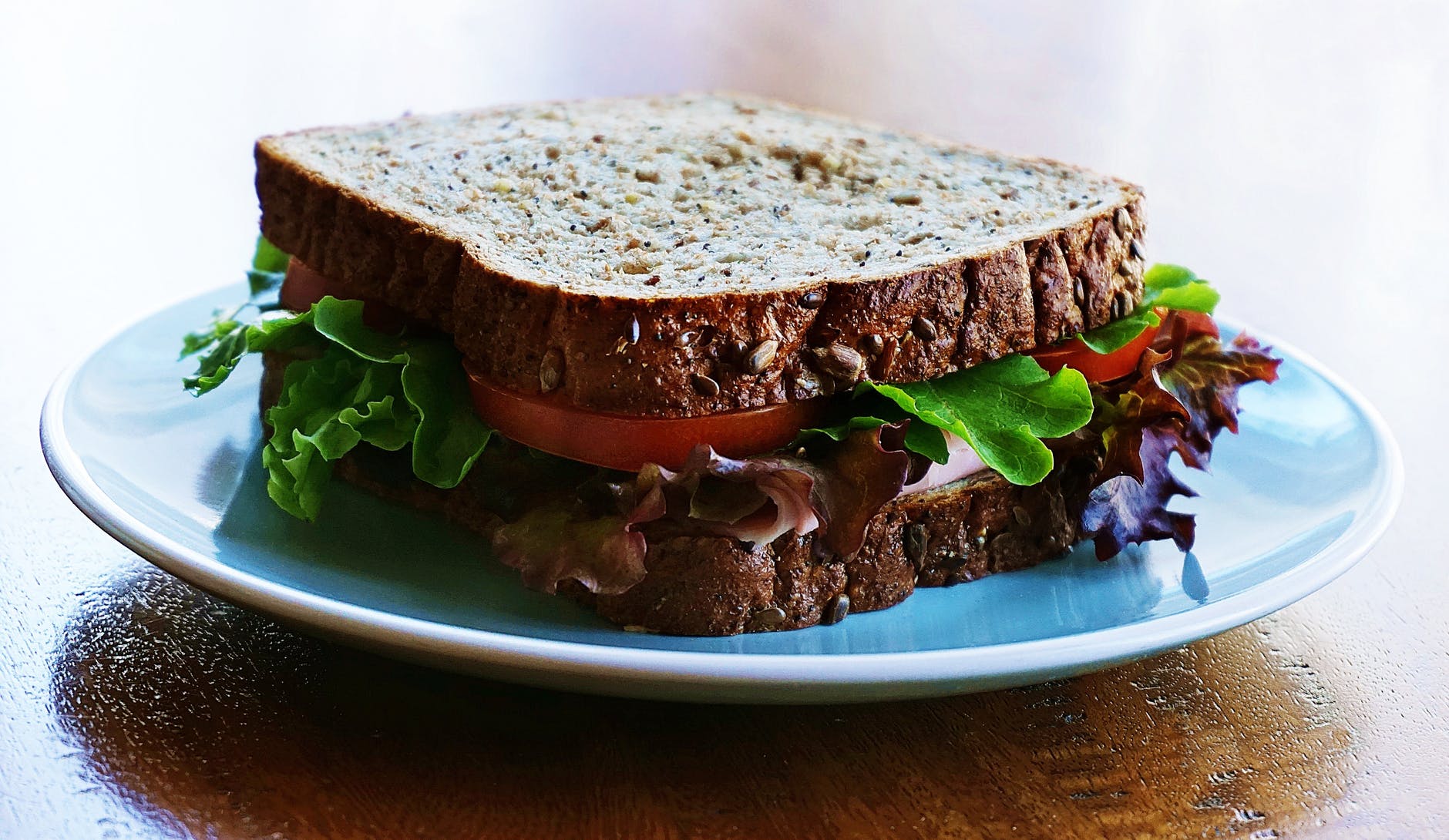
Wheat – The most ignored item when it comes to the word Protein. A single chapati 35-40 gms will give you 3-4 gms of protein. It may not be a major constituent but can be a compensating factor when it comes to summing up of all the items. Remember Carbohydrates are the primary source of energy!!!

Leafy Veggies and Broccoli – This nutridense ingrident with the richness of Vitamin K quite essential in healing of wounds and giving you good levels of Haemoglobin can also add up 3-5 gms of Protein in 100 gms of serving.
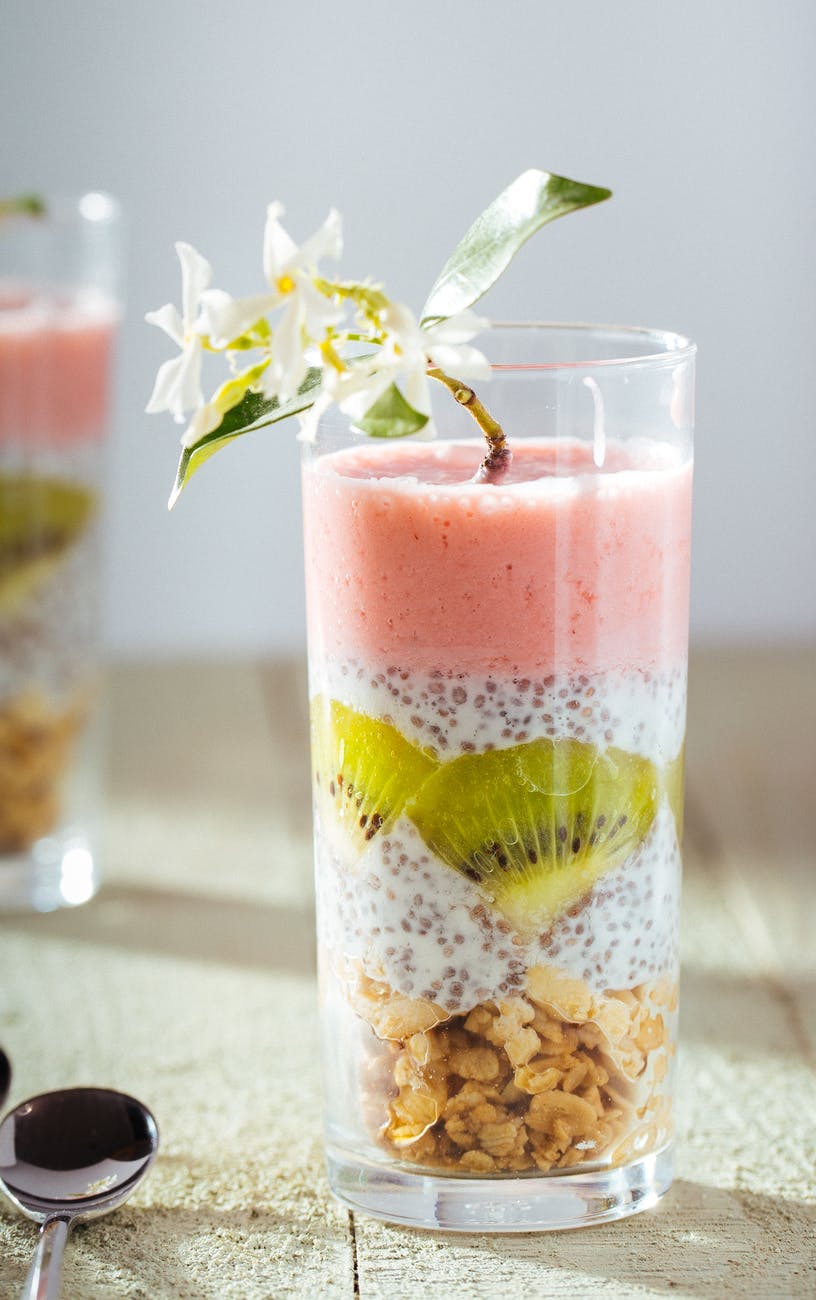
Milk & Greek Yogurt or Smoothies – The Calcium king and also considered as a whole food, 1 glass of milk can give you 8-10 gms of protein depending on which kind of milk you prefer Eg – tonned, fat free, soy, cow or buffalo. A serving of Curd about 150gms will also give you 5 gms of protein. Even more if you have the Greek yogurt thereby giving you a jump of nearly 30 percent.
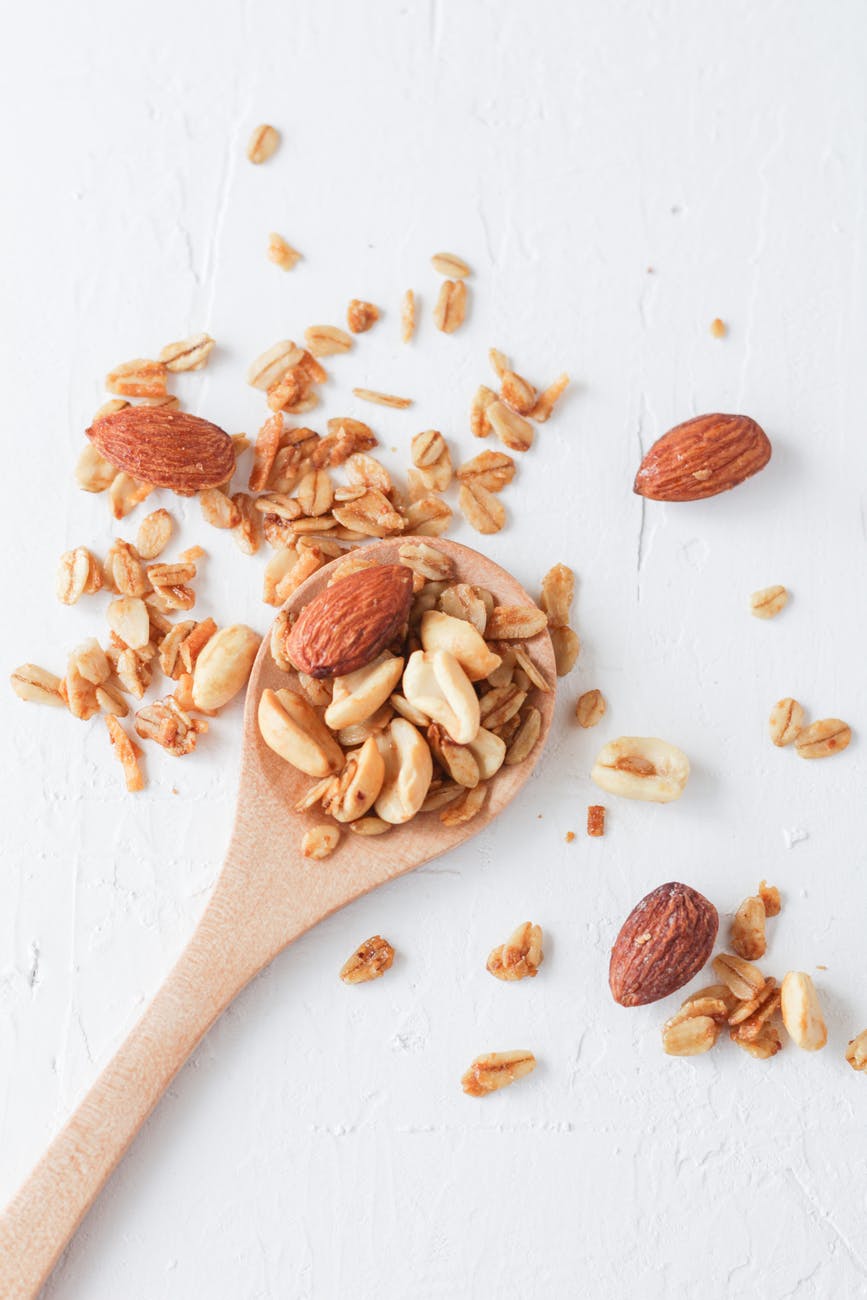
Nuts & Dryfruits – A perect food for snack time but can be easily overeaten. A handful of these (30-40 gms) can easily give you anywhere between 6-8 gms of protein with double the amount of fat.
Over all, each ingrident of the food ecosystem has its own unique classification. Our irregular pattern of consumption makes it bad in our so called diet world. Never eat as a particular ingridient consumption. Eat it as you say a wholesome meal because together they form a Dish……NutritionByKshitij®.
 Health - The Horizon View